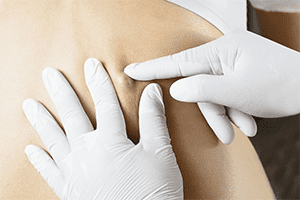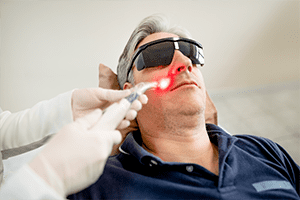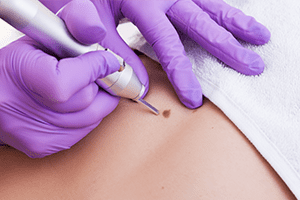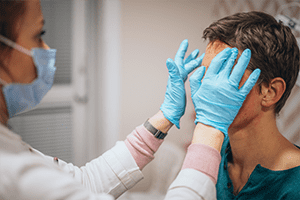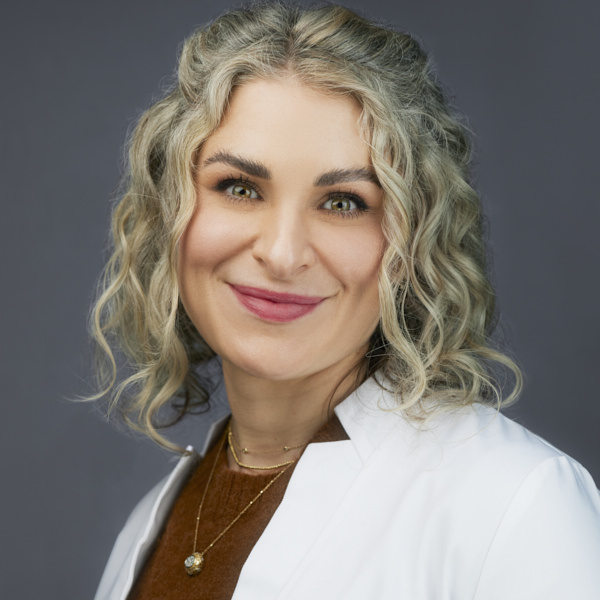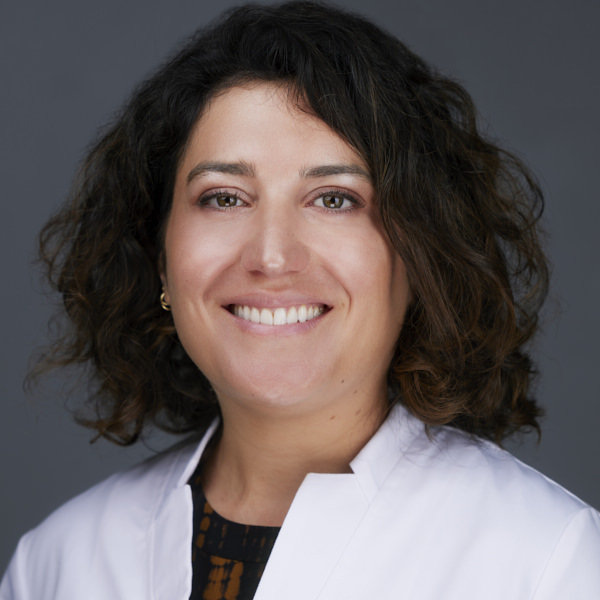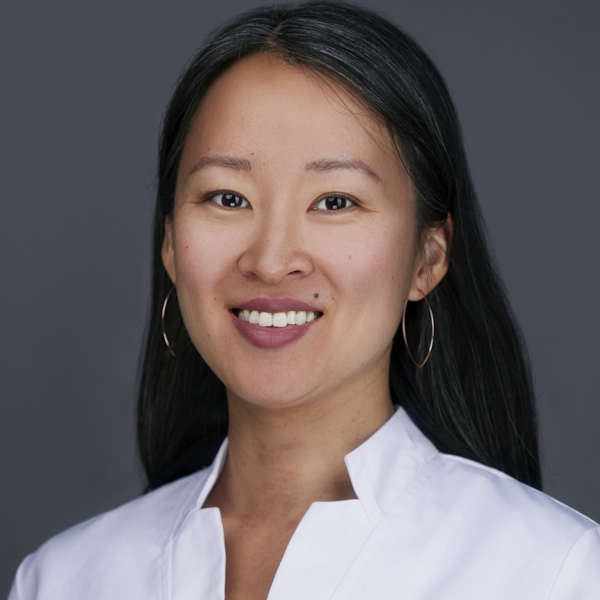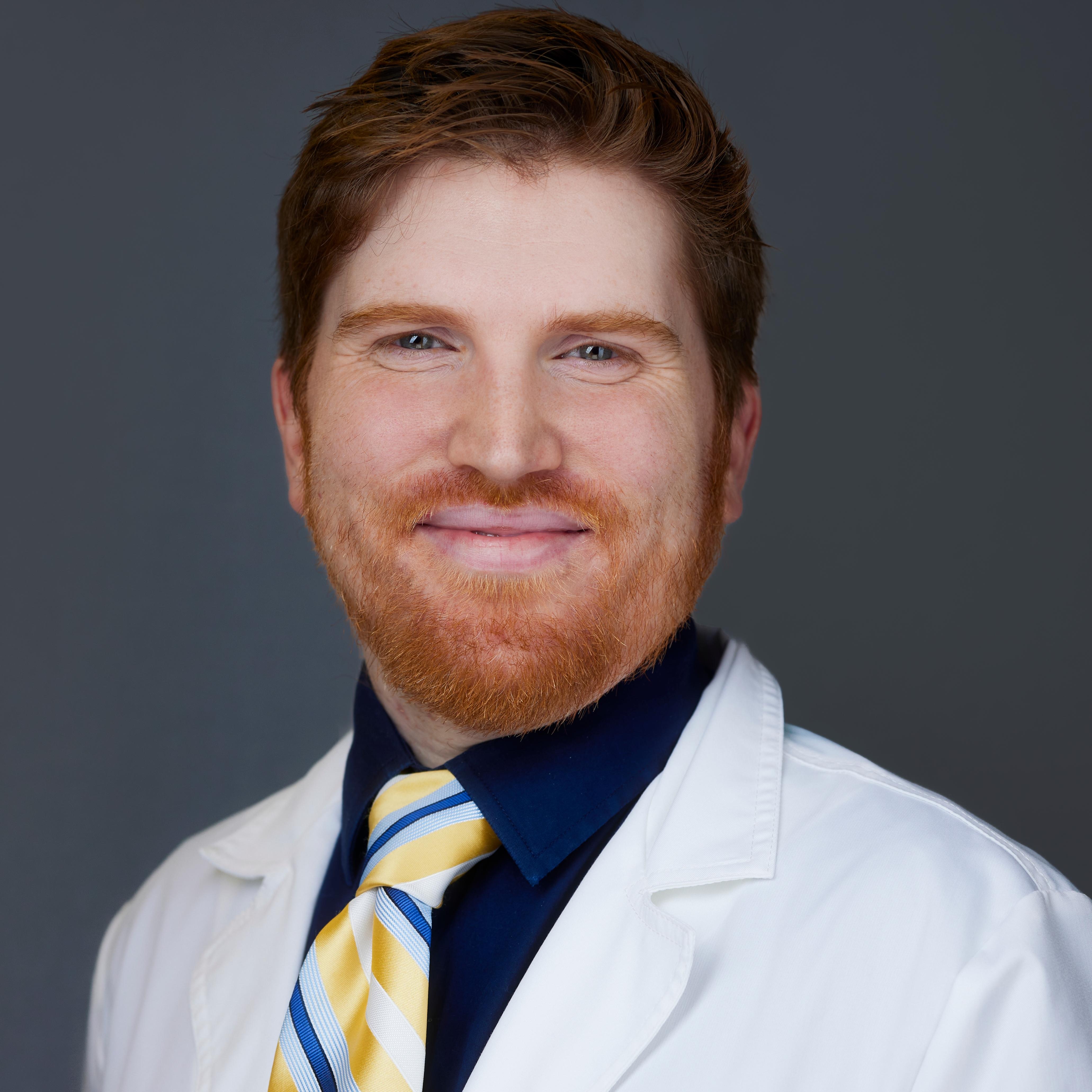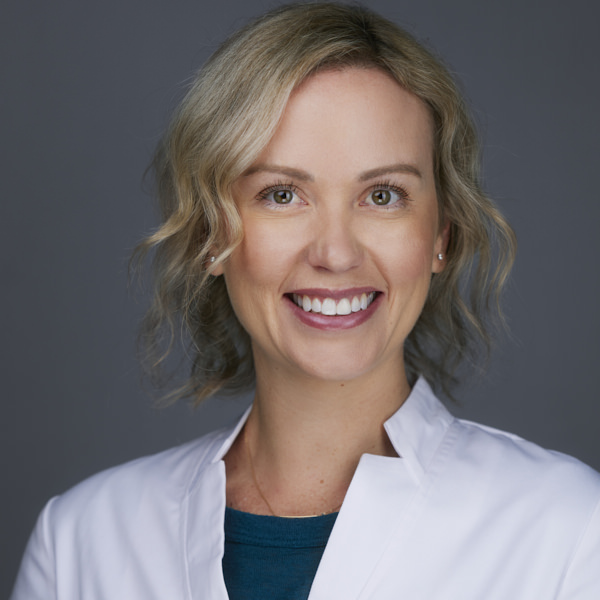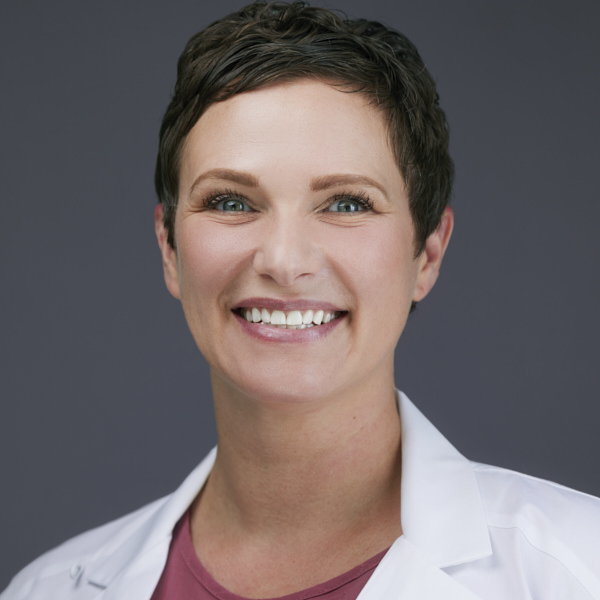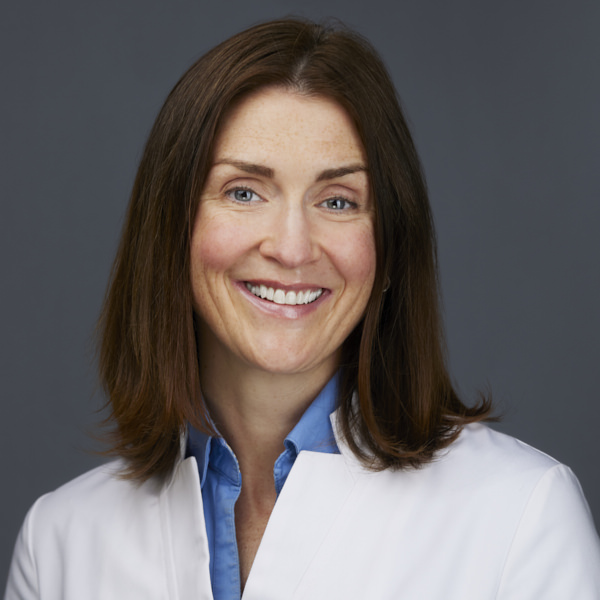


Dr. Reichel received the 2012-13 'William Baker Meritorious Service Award'. The recipient of this award is chosen by the University of Washington Dermatology Residents each year. The award is given for "Best Teaching" physician of the year. Each quarter, Dr. Reichel sponsors a "Cosmetic Procedure" teaching session with the residents. These sessions are about Botox, injecting Fillers, Chemical Peels, Lasers, and Sclerotherapy. It is the time when the residents receive actual Hands-On training in these cosmetic procedures. Dr. Reichel also has residents and fellows come to her clinic to follow her through-out a day to learn cosmetic procedures and how to perform cosmetic consultations. She received this award in 2006-2007 for her teaching skin cancer surgery to the Dermatology Residents at the VA Hospital. Congratulations Dr. Reichel!
Thank you for the inquiry. I would be happy to see you to determine if you are a good candidate for the Total FX CO2 laser. It is a great laser. We have had ours for about 3 years and I have treated over 100 people. I love this laser. It is really versatile, and the results are amazing. It is great for deeper wrinkles, pigment changes, eye rejuvenation and acne scarring. The treatment settings can be changed to do lighter treatments, or more aggressive ones. I think it is the “gold standard” for fractional CO2 lasers.
I would also be happy to look at your leg veins and make a plan for treatment. I prefer sclerotherapy over laser treatment for small leg veins. I think that sclero is more effective, and causes less bruising and other side effects. It does often take more than one treatment, and you do have to wear compression stockings after the procedure. Sclerotherapy is easy to undergo. Most patients tolerate it really well.
Please call us at Pacific Dermatology & Cosmetic Center 206-859-5777 to make an appointment. Mention that we conversed via email and RealSelf and the consult is free.
Taken from a RealSelf interview with Dr. Jennifer Reichel
Dr. Jennifer Reichel who practices in Seattle says she believes that patients get better results if they use fat injections.
RS: What is your preferred method of adding volume back to aging hands?
Dr. Reichel: If the patient is willing to undergo the fat transfer, I certainly prefer it as a filling agent. I do use a lot of radiesse in the back of the hands because it’s very easy to do, the patient just comes in and you don’t have to worry about doing the liposuction procedure. It can look nice as well, but I personally prefer the fat.
RS: How is it done?
Dr. Reichel: For fat transfer in the hands you do a mini liposuction procedure where you remove the fat from the individual that you’re going to treat. Usually I remove it from the abdomen, it’s an easy place to get really nice fat for transfers. You insert a large volume of local anesthetic to numb the area, and you remove the fat using a very small canula and a syringe. Then you take the fat cells, and we have a special process where we spin them down and so it gets just the fat and you don’t have all the extra fluids. We store can store the fat in a freezer system for up to two years, and then for injecting it into hands it’s really easy to undergo.
I numb the back of the hand with a little bit of lidocaine, and then I attach the syringe with the fat in it to a small canula and insert the fat. The fat moves really easily through the tissues, and you can spread it throughout the hand. It’s a really great filler for hands, because unlike some of the other fillers it’s very malleable. Fat is the same viscosity as our underlining tissues, whereas the other fillers are a little more thicker and don’t move around quite as easily. You just inject it in there and it’s pretty instant. You may get a little swelling for about three or four days and that’s as far as side effects go.
RS: How long do they last?
Dr. Reichel: It depends on the individual. So the first time I usually do it I tell people they are going to need to return for a second transfer done somewhere between 3 and 6 months later, and then maybe a third at the same interval. Then at the end of the two year period of time we contact the patient before their fat expires and ask them how they’re doing and invite them back in for a final transfer. So usually people undergo somewhere between 2 and 4 treatments in that two year period of time. If you look at the text books they say that fat can last anywhere between 2 and 8 years. I’ve seen it where it’s been 10 years later and that patient still has really nice filled hands, then some other patients it only lasts about a year or so before they need to undergo the process again.
Before and after photos of Dr. Reichel’s patients who used fat transfer to restore volume to their hands.
The website suggested that for excessive sweating, there are some surgical treatments that could be applied. What exactly are these surgical treatments and what are there success rates? Thank you. JM
Hi JM. Thank you for sending your inquiry.
Yes, there are surgical treatments for excessive sweating. The treatment options may vary depending on which areas of your body you are having excess sweating.
In the armpits (axillae), you can have Botox or Dysport injections done. This is not permanent. Most patients respond well to the injections and will have decreased sweating for 6 to 9 months. This is the most popular treatment right now. It wouldn’t be considered surgical.
Another option for the armpits is to have a procedure done called retro-dermal curettage (axillary suction curettage). Retro-dermal curettage is a liposuction type procedure where you inject a large volume of a dilute anesthetic into the armpit area. You then take a liposuction cannula and insert it through tiny ports (little incisions made in the skin) and scrape the underside of the skin where the sweat glands live. The cannula is a small hollow metal tube. It has holes at the end and the edge of the hole is a little bit sharp. For liposuction, you point the “hole” on the cannula downward to suck out fatty tissue. For sweating, you point the cannula up toward the skin and basically scar the sweat glands down so that you no longer sweat. This is really a pretty easy procedure to undergo, and is very safe. It is effective for most patients and can give a permanent decrease in sweating of 50 to 90% or so. This would be considered a surgical procedure.
The other procedure that we offer for excess sweating can be performed in the armpits, and on the palms and soles of the feet. It is called Ultherapy. Ultherapy is an ultrasound device that sends high frequency ultrasound waves below the skin. It is most often used to tighten the skin of the neck, jawline, and face. However, when Ultherapy is done for sweating, the ultrasound waves penetrate the skin to the depth of the sweat glands and actually destroy the sweat glands. The preliminary studies done with this procedure showed a 70% reduction in the amount of sweating after 2 treatments. We believe it should have permanent, or very long-standing effects. It is NOT invasive, and is a great option for sweat reduction.
Finally, you can have the nerves that are associated with sweating cut. Depending on where you are sweating will change where the nerves should be cut. This procedure is called a sympathectomy. It is usually performed by a thoracic surgeon.
I hope this helps. I would be happy to see you in consultation to discuss the treatments further and pick the one that is right for you.
Thank you for your inquiry.
I am interested in lip augmentation. Is this something you can do?
A
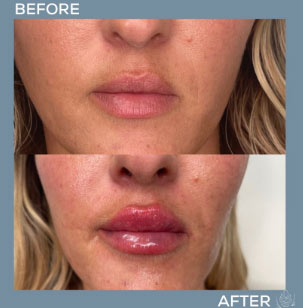
I love doing lip augmentation. I would be happy to see you for this. I usually use either Restylane, or Juvederm (fillers) to plump the lips. It is one of my favorite procedures to do. There is also a brand new ultrasound device called Jenu, that can be used at home to maintain plumped lips. You have to wait one week after having fillers to use it, but it is great.
Please call 206-859-5777 to set up an appointment for a consultation. Mention RealSelf and the consult is free. Also, we can do your treatment on the same day if you would like. You will have about 2-3 days of very puffy lips, so be sure that you don?t have any big events in the days right after treatment. Other possible reactions include bruising. This is uncommon, but can happen. The fillers usually last about 6 months the first treatment, and then can last even 18 months with a second treatment.
I look forward to seeing you.
Dr Reichel
Jennifer Reichel MD
Director, Pacific Dermatology & Cosmetic Center
www.pacificdermcenter.com
11011 Meridian Avenue N Suite 102
Seattle WA 98133
phone: 206-859-5777
fax: 206-859-5776
Greetings, I have indented white stretch marks on my inner thighs. I am not interested in treating the color, I am only interested in treating the INDENTIONS. Is this something that is possible? They are all very small, but when I bend my body in certain ways - you can see the indentions, and I just don't like that at all. Please let me know if there is a way to treat these small indented, old white stretch marks. Like I said, I only want to improve the indention. (the color is hardly noticeable) Is there a laser treatment that will resurface the skin on the marks?
Hi V,
First of all, sadly, older stretch marks can be very difficult to treat. We have 2 resurfacing lasers here at Pacific Dermatology & Cosmetic Center. The first is the Fraxel Restore laser. This laser can work for stretch marks. It primarily is BETTER for the texture/indentation that you are talking about, than it is for the COLOR. It does take multiple treatments to make an improvement. There is little risk, but some patients do get a temporary brownish discoloration at the treatment site. The other laser that we have is the Lumenis Total FX CO2 laser. This is a ?bigger gun? as it totally removes the top layers of the skin that is being treated. It can be good for stretch marks, and generally takes 2-3 treatments.
For all of my stretch mark patients, I recommend that we do a ?TEST PATCH? of skin to see how you respond. Everyone responds differently. So, I would say that it would be best to come in and we can treat a small area with the Fraxel, and a small area with the CO2 Total FX laser. We would do a series of 2-3 treatments on the test patches, and then go on to treat a wider area if you are happy with the results. The cost for the test patches is bundled into the total cost for the treatment.
I would be happy to see you in consultation. We can do the test treatments when you come in, or at another appointment. Make sure that you are not tan.
Please call 206-859-5777 to set up an appointment with me.
Thanks, Sincerely
Dr Reichel
Jennifer Reichel MD
Director, Pacific Dermatology & Cosmetic Center
www.pacificdermcenter.com
11011 Meridian Avenue N Suite 102
Seattle WA 98133
phone: 206-859-5777
fax: 206-859-5776
Dr R, I am interested in Botox to reduce the width of my nostril flare when I smile and possibly Radiesse to enhance the tip, and make my broad asian nose look longer and slimmer. Can u give me an estimate, pictures, have u done it before?
F
Hi F,
I have done this before, probably about 10 times for Asian noses, and 20 times for Caucasian noses. The cost for the botox is $30 and the cost for the Radiesse is $450. It is about a 20 minute procedure. The botox lasts about 4-6 months. The first time, the Radiesse lasts about the same amount of time. After you have done the Radiesse a couple of times, it lasts a lot longer. It is amazing how you can make a nose look less flat and more slim by adding a bit of filler product along the bridge of the nose. There are few big risks. You may get bruising, and you will have temporary redness and swelling. Sadly, there have been some cases (very very few) in which the filler caused the skin to break down and develop a sore at the injection site. This is very rare and I have never seen it in person.
This is one of my favorite treatments. Please call to make an appointment for a consultation. I can show you photos then. The consultation fee is waived when you mention realself. Also, we can do the treatment on the same day if you want.